 Cart is empty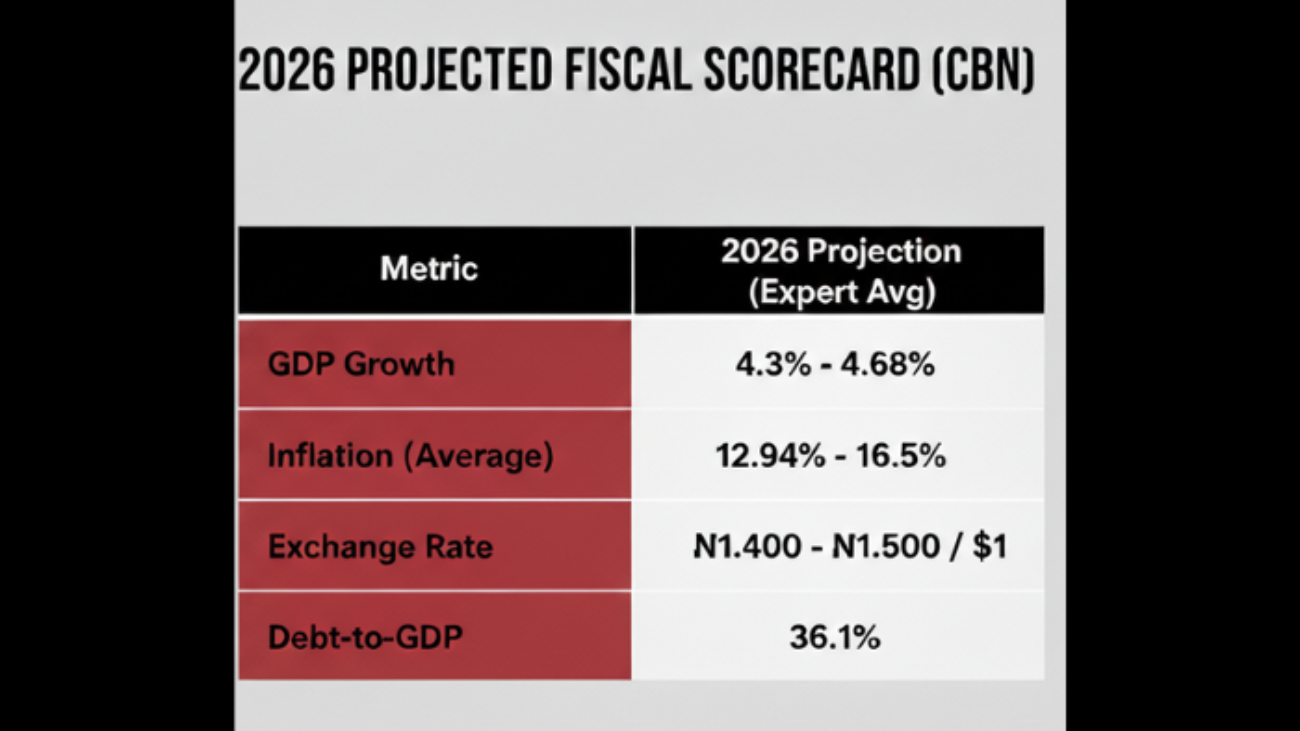
Nigeria’s fiscal strategy faces its toughest test in 2026. Government revenue is rising, inflation is easing from recent highs, and new tax laws are coming into effect.
Some of the key fiscal tests facing the government are revenue mobilisation, debt management, tax reform execution, inflation/household pressure, and investor confidence.
The challenge now is whether the government can strengthen its finances without putting more pressure on households or scaring away investors. The decisions taken this year will shape not only budget outcomes, but also public trust in the reform agenda.
How these forces interact over the next year will determine whether consolidation strengthens economic resilience or exposes new fault lines.
At the centre of this transition are a set of fiscal and tax policy tests that will define outcomes in 2026.
The first test is whether revenue gains can be sustained without weakening consumption, investment, or formal sector participation.
Non-oil revenue has expanded sharply, rising from N5.96 trillion in 2022 to N16.09 trillion in 2024. However, nominal GDP growth has been more measured, creating a “tax-to-GDP” tension.
While the Central Bank of Nigeria (CBN) remains optimistic, projecting FGN retained revenue to hit N35.51 trillion in 2026, analysts warn of a communication gap.
Dumebi Oluwole, lead economist at Stears said, “One of the biggest sources of pushback is information asymmetry as many people still do not understand the potential benefit of these policies.”
“The government needs to do more to communicate why these policies matter clearly”. With information asymmetry, implementation risks rise, making revenue targets difficult to achieve”, Oluwole said.
The challenge is not just raising revenue, but also how the money is collected and how fast, especially when businesses and households are already under financial pressure.
The second test is whether rising revenues can meaningfully ease debt service constraints.